


Hooked on Phonics Learning
4.41.72K Reviews
App Specs
- Version
- 7.3.04
- Updated On
- License
- Free
- Downloads
- 1,000,000+
- Developer
- Hooked on Phonics
- Categories
- Education
- Platform
- Android, iOS
Screenshots
 Analysis by AppCompare
I find that connectivity is easy to overlook when choosing a reading app for a child, until a lesson stalls at an inconvenient moment. With Hooked on Phonics Learning, I’d plan around a reliable connection for any activity that needs to load, rather than assume every part will work on the go. That small bit of preparation matters most when a child is ready to begin and an adult is trying to keep a busy day moving.
When a connection becomes part of the lesson
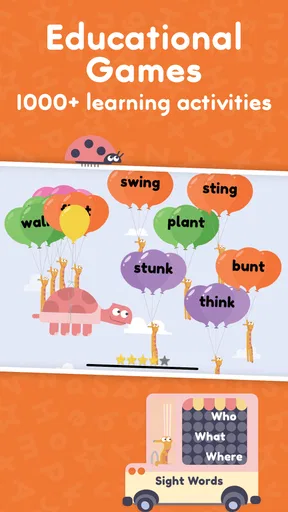
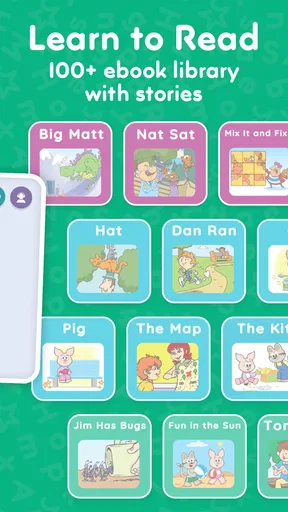
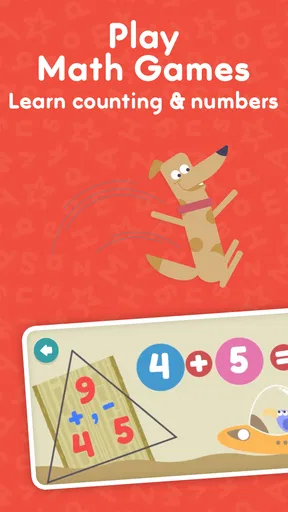
The app brings together reading and math activities, including lessons, games, videos, and books. That variety can make practice feel less like a worksheet, but different kinds of media may behave differently when a connection is weak. I’d open the app and check that the activity is ready before handing over the device, especially if a video or a new lesson is the plan. It’s a simple routine that can prevent a child from waiting through a loading screen just as their attention is fading.
This is particularly useful when an adult is choosing between a short activity and a longer sit-down session. For a quick phonics practice at home, I’d pick the lesson first and stay nearby while it starts. If the network is unreliable, I’d avoid making the app the only plan for keeping a child occupied. A printed book or a few spoken sound games can fill the gap without turning a connectivity hiccup into a battle.
Making it work in everyday family routines
I can see this fitting into a predictable routine better than an improvised one: for example, a parent and child might do a brief lesson after breakfast, then return to a story or game later when there is time to talk about what they learned. The adult can help the child slow down, pronounce a sound, or connect a lesson to a word on a cereal box. That shared attention is more valuable than treating the app as a babysitter, and it gives a parent a chance to notice whether the child is following along or tapping quickly just to move ahead.
On a bus ride, in a waiting room, or during a visit with relatives, I’d first check the connection and open the intended activity before the child takes the device. I’d also keep the session short enough that an interruption does not feel like a major loss. If the app cannot continue smoothly, switching to a spoken game such as finding objects that start with the same sound keeps the learning goal alive without depending on the screen.
For families sharing one phone or tablet, timing is another practical consideration. A child may be ready to use the app just when someone else needs the device or the household network is busy. Picking a regular window and setting the device up in advance can reduce the chance that the child’s first experience is waiting for content. I would treat the app as one part of a reading routine, not the routine itself.
Handling interruptions and keeping a child engaged
When an activity pauses or fails to load, I’d resist repeatedly tapping through screens with a child watching. First, check whether the device has a stable connection; then return to the activity and try again once. If it still does not proceed, move to another task and come back later. This approach avoids teaching a child that persistence means pressing buttons at random, and it gives the adult a calm way to manage a technical interruption.
Worth Reading Before You Choose

EA SPORTS FC Mobile 26 Is a Bigger Football Game, but It Takes Time

Flipboard Shows What News Apps Must Do Beyond the Feed

Switching to Android Auto Means Rethinking Your Driving Routine

Google Calendar Makes a Crowded Week Easier to Manage

Ludo King Makes the Most of the Minutes Between Plans

Baby Panda World Brings Quick Play to Modern Phones, but Its Game Library Feels Busy
It also helps to have a clear stopping point. Before starting, I’d tell the child that we are doing one lesson or one short practice session, then put the device away and talk about a sound or word from the activity. That makes it easier to end on purpose if the connection drops. For young learners, a smooth transition is often more important than squeezing in one more screen activity.
Because children can move quickly through colorful interfaces, I’d stay close enough to help them get back to the intended lesson if they wander into another part of the app. A parent’s presence is useful not only for navigation but also for interpreting a struggle: a child may need a quick explanation, a little repetition, or simply a break. I would not assume that a completed screen automatically means a skill has stuck.
Using mobile data thoughtfully
If a family uses mobile data away from home, I’d be selective about when to use activities that may rely on video or other media. Starting a lesson while connected to home Wi-Fi, and checking that the chosen content is ready before leaving, is a sensible habit. I would not count on offline availability unless I had tested the specific activity on the device first. That distinction matters for travel: having the app installed does not necessarily mean every lesson will be available without a connection.
Parents may also want to make a quick check of their device’s data settings before letting a child use an app outside the home. That is a general precaution, not a claim about any special setting inside this app. If limiting mobile data is important, keeping sessions on Wi-Fi is the straightforward choice. A book from home or a parent-led word game remains a dependable backup when there is no suitable connection.
Another useful habit is to decide what the child will do before opening the app. A planned activity can reduce aimless browsing and make a short session feel more purposeful. I’d choose a lesson that matches the child’s current comfort level, sit with them for the first moments, and then decide whether they can continue independently. That approach uses screen time deliberately and gives the adult a chance to spot frustration early.
What the app is best suited to
Hooked on Phonics Learning is an education app from Hooked on Phonics, aimed at children and families who want guided practice that feels more lively than a stack of worksheets. It is free to install, has an Everyone age rating, and includes in-app purchases priced from $0.99 to $79.99 per item. I’d look carefully at the purchase choices with a parent before handing the device to a child, so a young learner knows which parts are available and an adult can make any spending decisions.
The app’s average rating is 4.3 from around 5,300 ratings, and it has more than a million installs. Those figures suggest that many families have tried it, but they cannot tell me whether its teaching style will suit one particular child. I’d judge fit by whether the child responds to the lesson format and whether the adult can comfortably support the practice, rather than treating popularity as proof of a learning outcome.
Compared with a traditional picture book, the app can offer a more interactive change of pace, while a book gives families a screen-free chance to pause, talk, and reread at their own speed. Compared with a basic alphabet game, its broader mix of reading and math material may appeal to a family looking for more than letter recognition alone. On the other hand, a child who needs highly individualized instruction or direct feedback from a teacher may do better with a tutor, classroom support, or a resource selected with an educator. I see this as a practice companion, not a substitute for those forms of help.
The app was released on May 8, 2014, and its current version is 7.3.03. It requires iOS 11 or later. Those details are worth checking before installing it on an older device, particularly if a family plans to use a hand-me-down phone or tablet. A device that meets the requirement still needs enough room and a dependable connection for the intended session, so I’d test the setup before making it part of a daily routine.
First Impressions
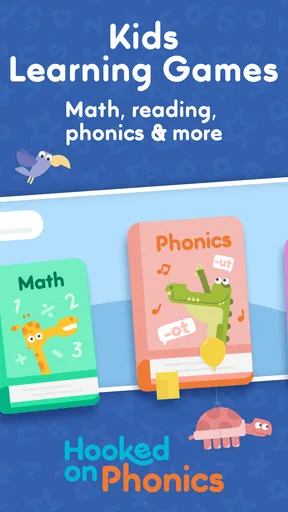
Right off the bat, Hooked on Phonics Learning is super colorful and inviting, which is perfect for engaging young minds. The interface is intuitive, making it easy for both kids and parents to navigate. As someone who isn’t exactly tech-savvy, I found myself appreciating how straightforward everything was. The app kicks off with a simple onboarding process that sets the stage for what’s to come.
Features That Stand Out
The app is packed with features, and trust me, they’re not just fluff. Each feature is designed to help kids learn in a fun and interactive way. I’ll break down some of my favorites:
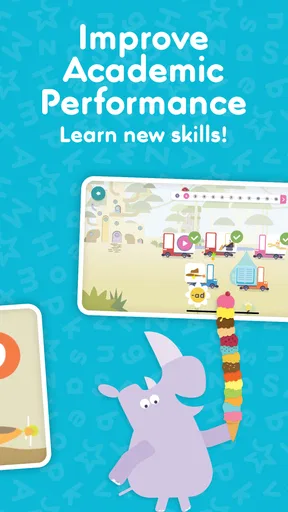
- Interactive Lessons: The lessons are short and sweet, perfect for keeping a child’s attention. They incorporate videos, games, and songs that reinforce what’s being taught. I noticed my little cousin was really into the catchy tunes!
- Progress Tracking: This feature is a lifesaver for parents. It allows you to track your child’s progress and see which areas they excel in and where they might need a little extra help.
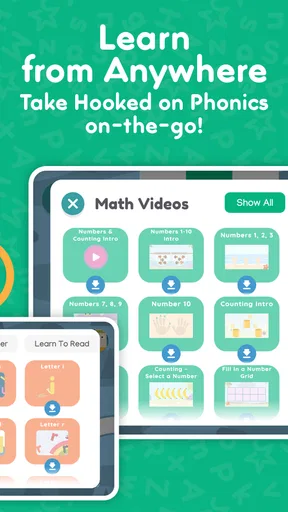
- Offline Access: For those long car rides or flights, having offline access is a game-changer. You can download lessons and keep the learning going, even without Wi-Fi.
Engaging Content
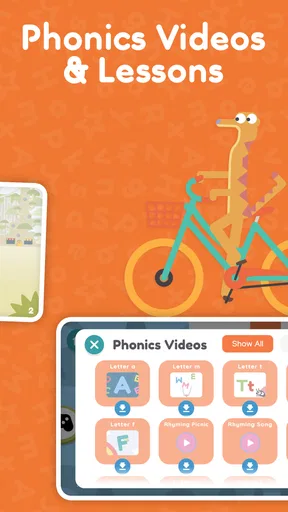
The content is not only educational but also super engaging. The app uses a variety of methods to teach phonics, from rhyming to blending sounds. I was quite impressed with the diversity of content, which helps cater to different learning styles. Plus, the characters and stories are relatable and entertaining, making reading feel less like a chore and more like an adventure.
User Experience
From a user experience standpoint, the app is pretty seamless. The developers did a great job ensuring that everything runs smoothly. I didn’t encounter any glitches, which is always a plus in my book. The app also provides a parent section where you can customize the learning experience based on your child’s needs and preferences.
Room for Improvement?
While Hooked on Phonics Learning is fantastic, no app is perfect. I did feel that the app could benefit from a more diverse range of difficulty levels. Some of the advanced levels seemed a bit too challenging for younger kids. However, they’re constantly updating the app, so I’m hopeful they’ll expand this feature soon.
Final Thoughts
Overall, I’d say Hooked on Phonics Learning is a solid investment for any parent looking to enhance their child’s reading capabilities. The app provides a comprehensive learning experience that’s both effective and enjoyable. So, if you’re on the fence about downloading it, I’d suggest giving it a try. It’s one of those apps that makes you feel like you’re getting your money’s worth, and then some.
At the end of the day, helping kids learn to read is a rewarding experience, and this app makes that journey a whole lot easier. So go ahead, dive into the world of phonics, and watch your little one’s reading skills soar!
Pros
- Engaging interactive lessons for kids.
- Supports multiple devices for flexibility.
- Tracks progress with detailed analytics.
- Includes offline access for learning anywhere.
- Encouraging rewards system boosts motivation.
Cons
- Requires subscription for full access.
- Limited content for advanced learners.
- Occasional app glitches reported by users.
- Not customizable for different learning paces.
- Requires stable internet for initial download.
FAQs for Hooked on Phonics Learning
What age group is Hooked on Phonics Learning suitable for?
Hooked on Phonics Learning is designed for children aged 3 to 8 years old. It offers a progressive learning system that grows with your child, making it suitable for preschoolers just starting to learn phonics, as well as older kids who need to improve their reading skills.
Does Hooked on Phonics Learning require internet access?
While an internet connection is needed for the initial download and setup, Hooked on Phonics Learning can be used offline once the content is downloaded. This feature allows children to continue learning without interruptions, regardless of internet availability.
Is Hooked on Phonics Learning a subscription-based service?
Yes, Hooked on Phonics Learning operates on a subscription model. It offers various subscription plans to fit different needs and budgets, including monthly and annual options. Subscriptions provide access to a comprehensive library of educational content and regular updates.
What devices are compatible with Hooked on Phonics Learning?
Hooked on Phonics Learning is compatible with both Android and iOS devices, including smartphones and tablets. This flexibility ensures that you can use the app on most modern devices, making it convenient for learning at home or on the go.
Does Hooked on Phonics Learning offer progress tracking?
Yes, the app includes a robust progress tracking feature. Parents can easily monitor their child's learning journey and see improvements in real-time. This feature helps ensure that children are on the right track and allows parents to identify areas where additional focus may be needed.


